Combining Conventional and Modern Diagnostics: A New Approach in Bellevue
Introduction to Diagnostics in Bellevue
In Bellevue, the integration of conventional and modern diagnostic techniques is transforming healthcare. This approach combines the reliability of traditional methods with the innovative potential of cutting-edge technology. By doing so, it enhances patient care, improves accuracy, and reduces diagnostic time.
Healthcare providers in Bellevue are increasingly adopting this hybrid model, recognizing its potential to revolutionize diagnostics. This shift not only benefits patients but also streamlines operations for medical practitioners.
The Benefits of a Hybrid Diagnostic Approach
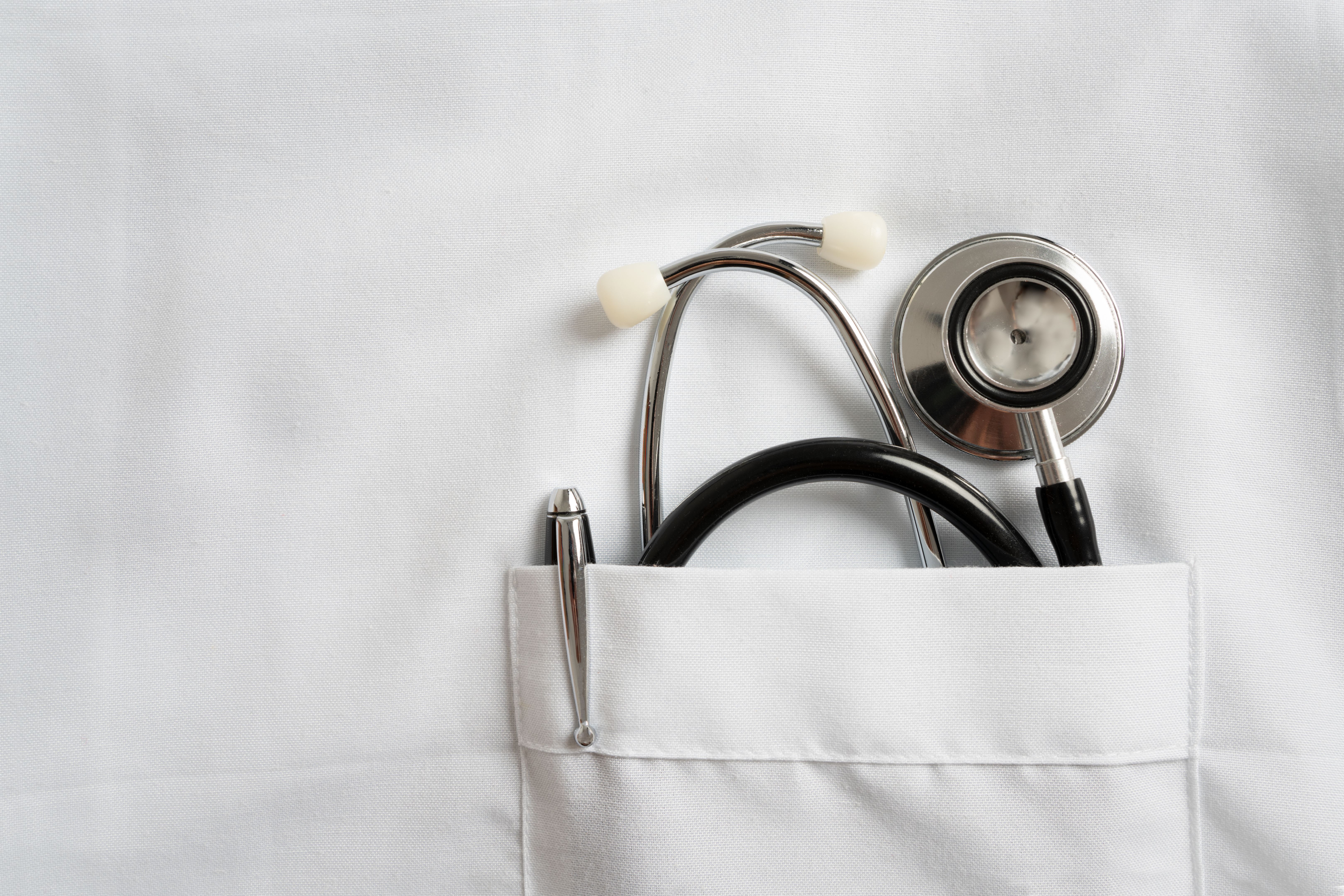
Combining conventional and modern diagnostics offers a range of benefits. Firstly, it provides a more comprehensive understanding of health conditions. Traditional methods like physical examinations and blood tests are now complemented by advanced imaging and genetic testing.
This comprehensive approach allows for early detection and personalized treatment plans. It also reduces the likelihood of misdiagnosis, ensuring patients receive the most appropriate care from the outset.
Technological Advancements in Diagnostics
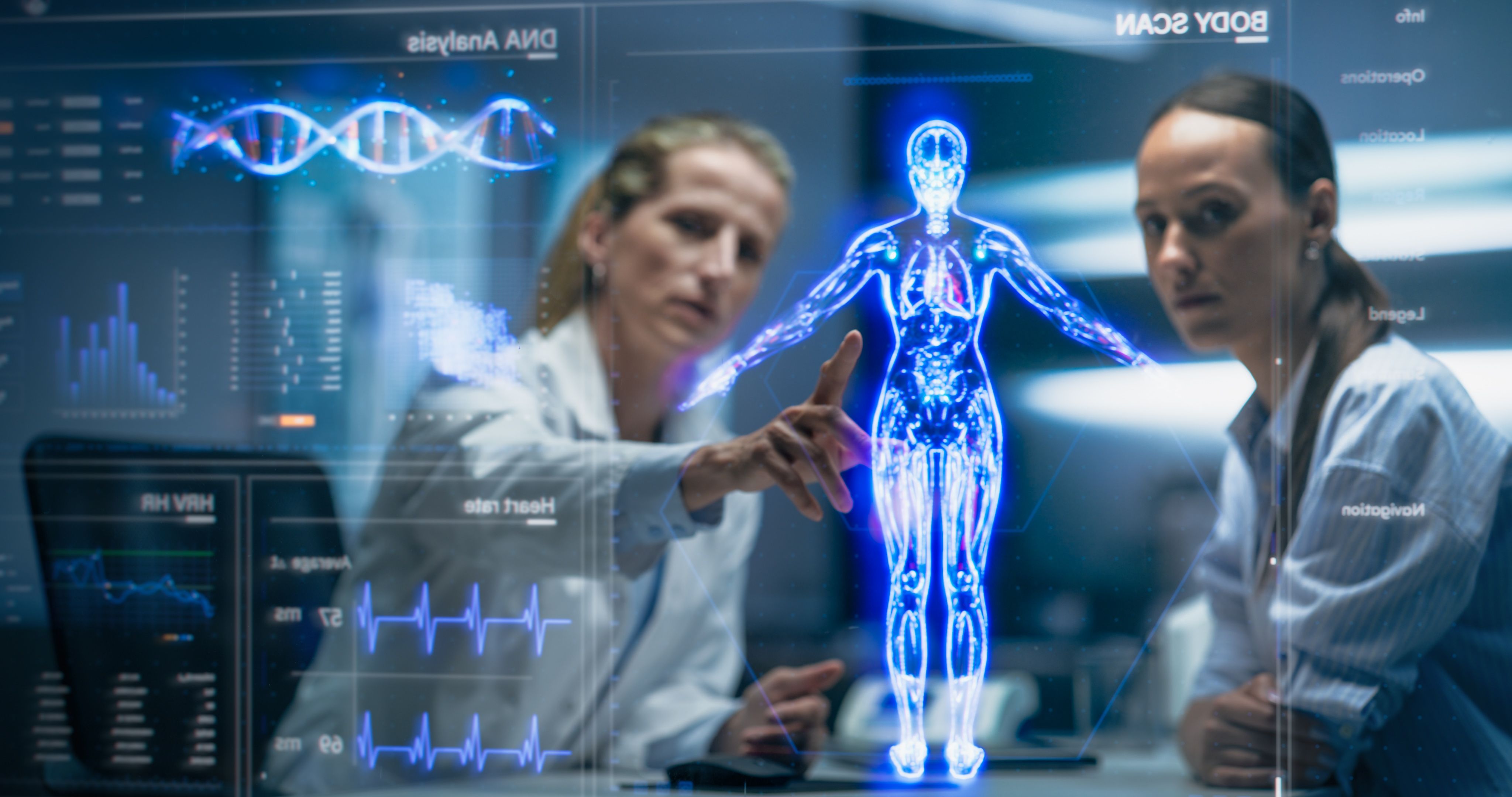
Modern diagnostics leverage technologies such as artificial intelligence, machine learning, and advanced imaging techniques. These tools enhance the precision and speed of diagnosing diseases.
AI algorithms can analyze vast amounts of data quickly, identifying patterns that may be missed by human eyes. This capability is particularly useful in fields like radiology, where early detection can significantly impact patient outcomes.
Examples of Integrated Diagnostics
Bellevue clinics are leading the way in applying integrated diagnostics. For example, a patient presenting with chest pain may undergo traditional screenings like an ECG along with modern imaging techniques such as a CT scan.
This dual approach ensures a thorough examination, allowing healthcare providers to pinpoint issues with greater accuracy and initiate timely interventions.
Challenges and Considerations
While the benefits are clear, integrating conventional and modern diagnostics is not without challenges. One major consideration is the cost of implementing advanced technologies, which can be significant.
Moreover, healthcare providers must be trained to use these new tools effectively, requiring ongoing education and investment in professional development.

The Future of Diagnostics in Bellevue
Looking forward, the integration of these diagnostic methods will likely become the standard in Bellevue. As technology continues to evolve, it offers exciting possibilities for improving patient outcomes and streamlining healthcare processes.
Ultimately, this approach represents a significant step forward in personalized medicine, tailoring treatment plans to the unique needs of each individual.
Conclusion
The combination of conventional and modern diagnostics in Bellevue is not just a trend; it's a new paradigm in healthcare. By embracing both traditional and cutting-edge methods, healthcare providers can deliver more accurate, efficient, and personalized care.
As this approach continues to develop, it promises to set a new standard for diagnostic excellence, benefiting both patients and practitioners alike.