How Acupuncture and Modern Diagnostics Work Together for Holistic Healing
Understanding the Role of Acupuncture in Holistic Healing
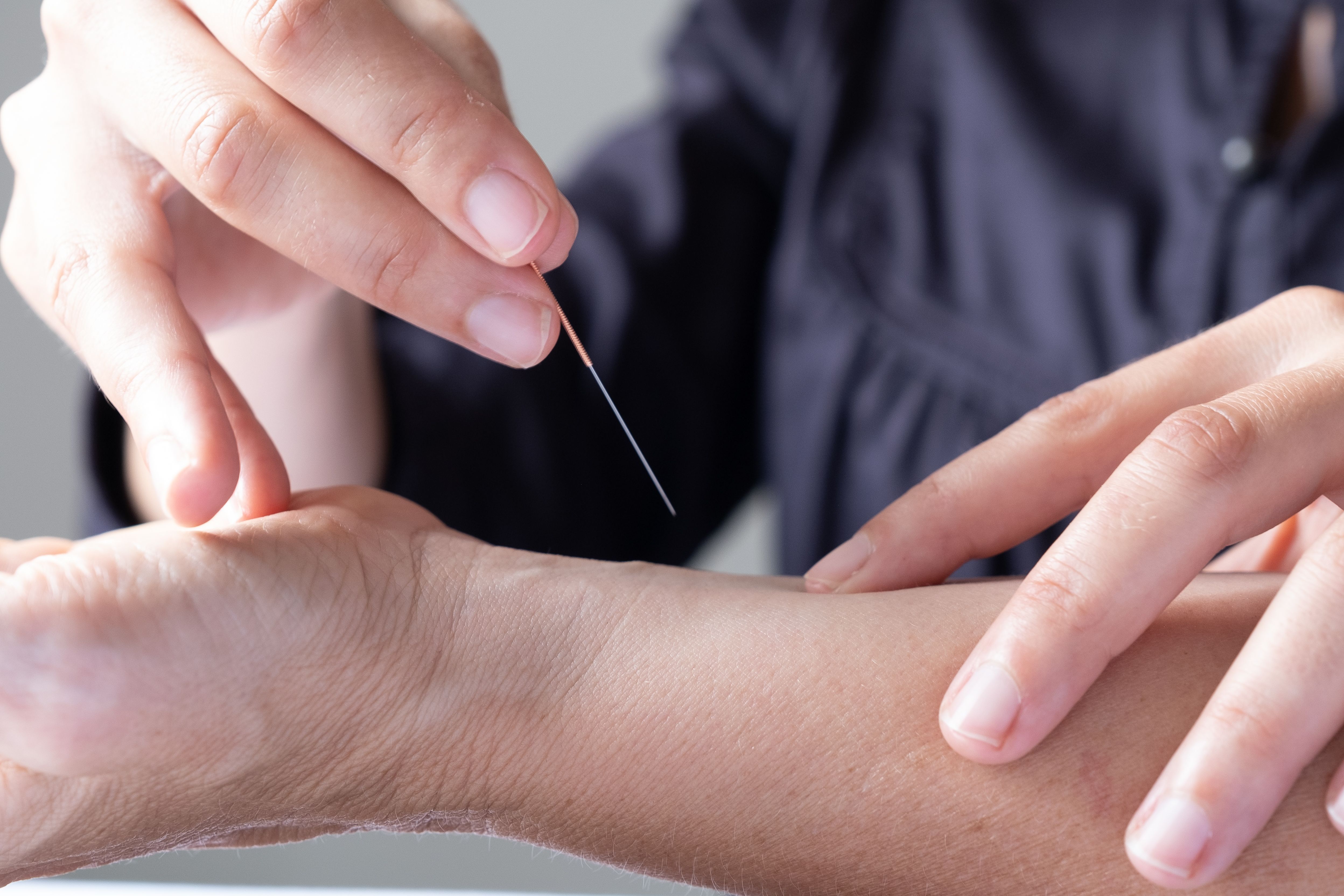
Acupuncture has been a cornerstone of traditional Chinese medicine for centuries. It involves inserting thin needles into specific points on the body to stimulate energy flow, known as "Qi." This ancient practice aims to balance the body's energy, promoting healing and overall well-being. While some may view acupuncture as an alternative therapy, it is increasingly being integrated into modern healthcare systems around the world.
Today, many practitioners and patients alike are discovering the benefits of combining acupuncture with modern diagnostic techniques. By doing so, they can create a comprehensive approach to healing that addresses both the physical and energetic aspects of health.
The Advantages of Integrating Modern Diagnostics
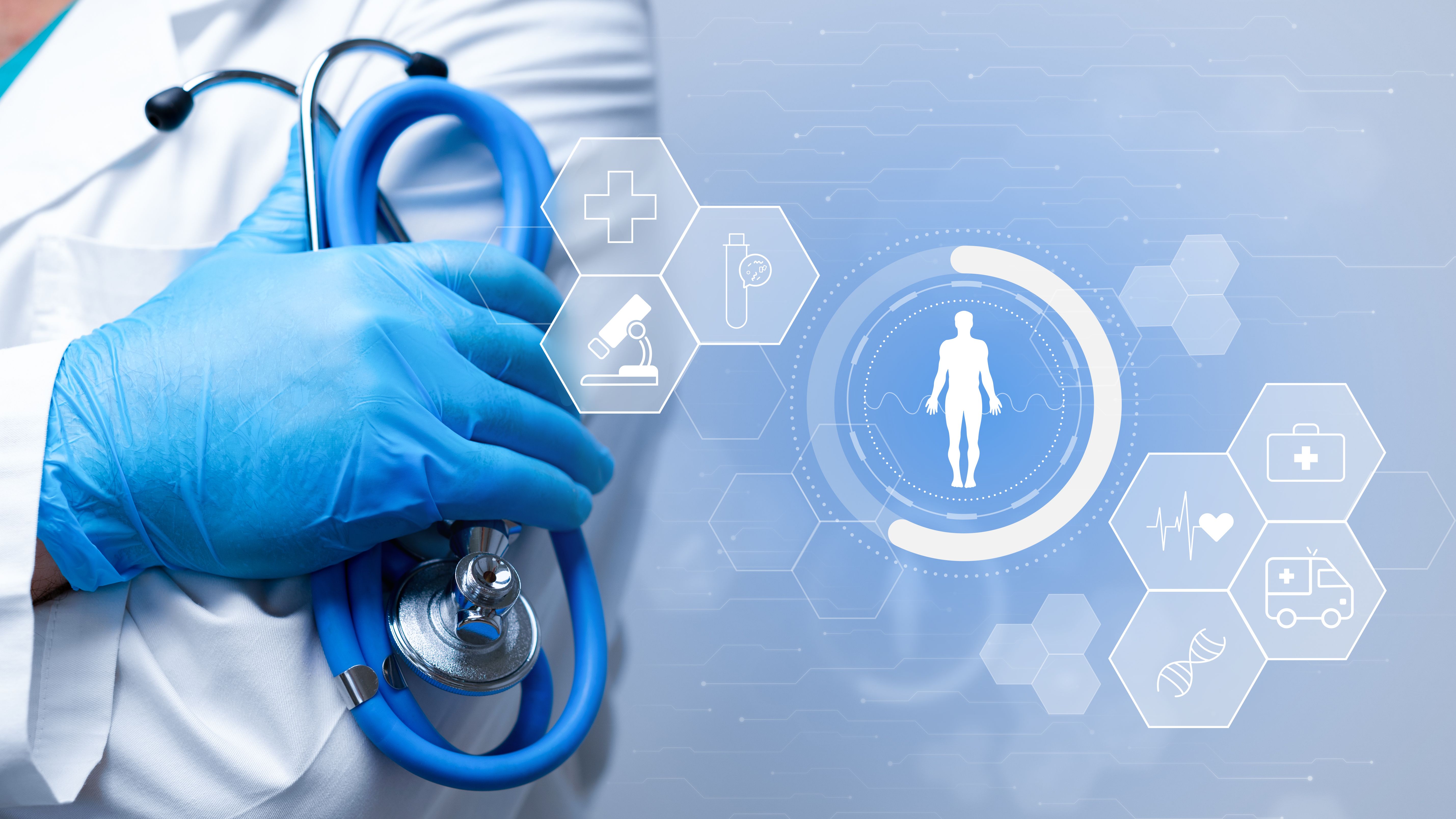
Modern diagnostics, such as blood tests, imaging, and genetic screenings, provide detailed insights into a patient's physical health. These tools allow healthcare providers to identify underlying conditions and potential health risks with precision. When combined with acupuncture, they offer a holistic view of the patient's health, enabling more personalized treatment plans.
For instance, modern diagnostics can help pinpoint specific areas of the body that may benefit from acupuncture. This targeted approach can lead to more effective treatments, reducing symptoms and improving overall health outcomes.
Creating a Synergistic Healing Plan
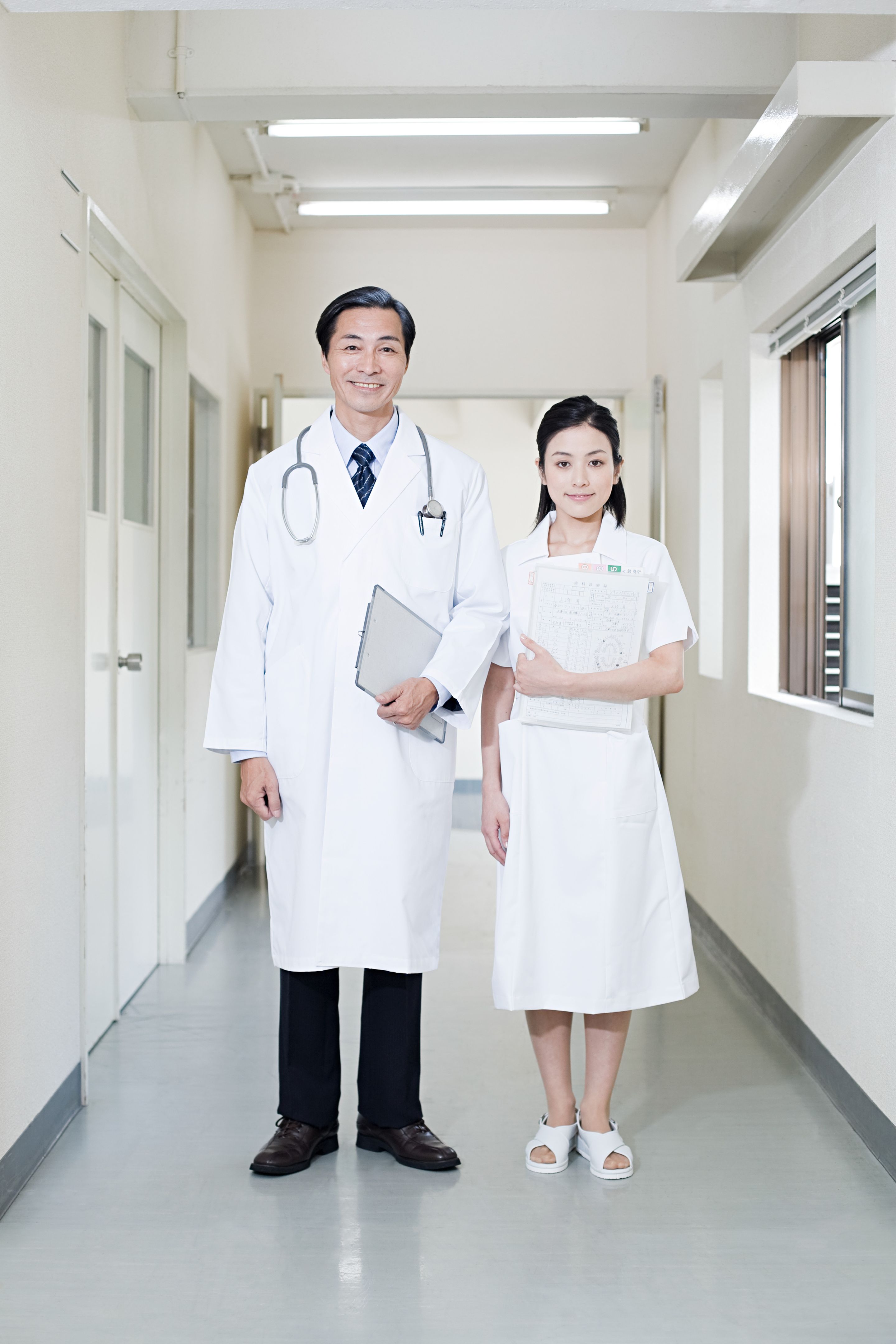
Integrating acupuncture with modern diagnostics requires collaboration between healthcare practitioners. By working together, acupuncturists and medical doctors can develop a treatment plan that addresses the unique needs of each patient. This collaboration ensures that both the physical and energetic aspects of health are considered, leading to more comprehensive care.
- Identify underlying conditions with diagnostic tests.
- Target specific symptoms with acupuncture.
- Monitor progress and adjust treatment plans as needed.
Benefits for Patients
Patients who receive care through this integrated approach often experience a range of benefits. By addressing both the root cause of health issues and the symptoms, patients can achieve a more balanced state of health. This holistic method may also help reduce the reliance on medications, minimizing potential side effects.
Additionally, patients may find that combining acupuncture with modern diagnostics empowers them to take an active role in their health journey. By understanding the underlying causes of their symptoms, they can make informed decisions about their care.

Challenges and Considerations
While the integration of acupuncture and modern diagnostics offers many benefits, it is not without challenges. One of the main considerations is ensuring that practitioners from different disciplines can effectively communicate and collaborate. This requires ongoing education and a willingness to embrace diverse perspectives on health and healing.
Patients should also be encouraged to seek practitioners who are open to integrative approaches and who have experience in both traditional and modern healthcare practices.
Conclusion
The combination of acupuncture and modern diagnostics represents an exciting frontier in holistic healing. By merging the wisdom of ancient practices with the precision of modern medicine, healthcare providers can offer more comprehensive and effective care. As this integrative approach continues to evolve, it promises to enhance the well-being of patients around the world, fostering a deeper connection between mind, body, and spirit.