Integrative Medicine: Combining Modern Diagnostics with Traditional Therapies
Understanding Integrative Medicine
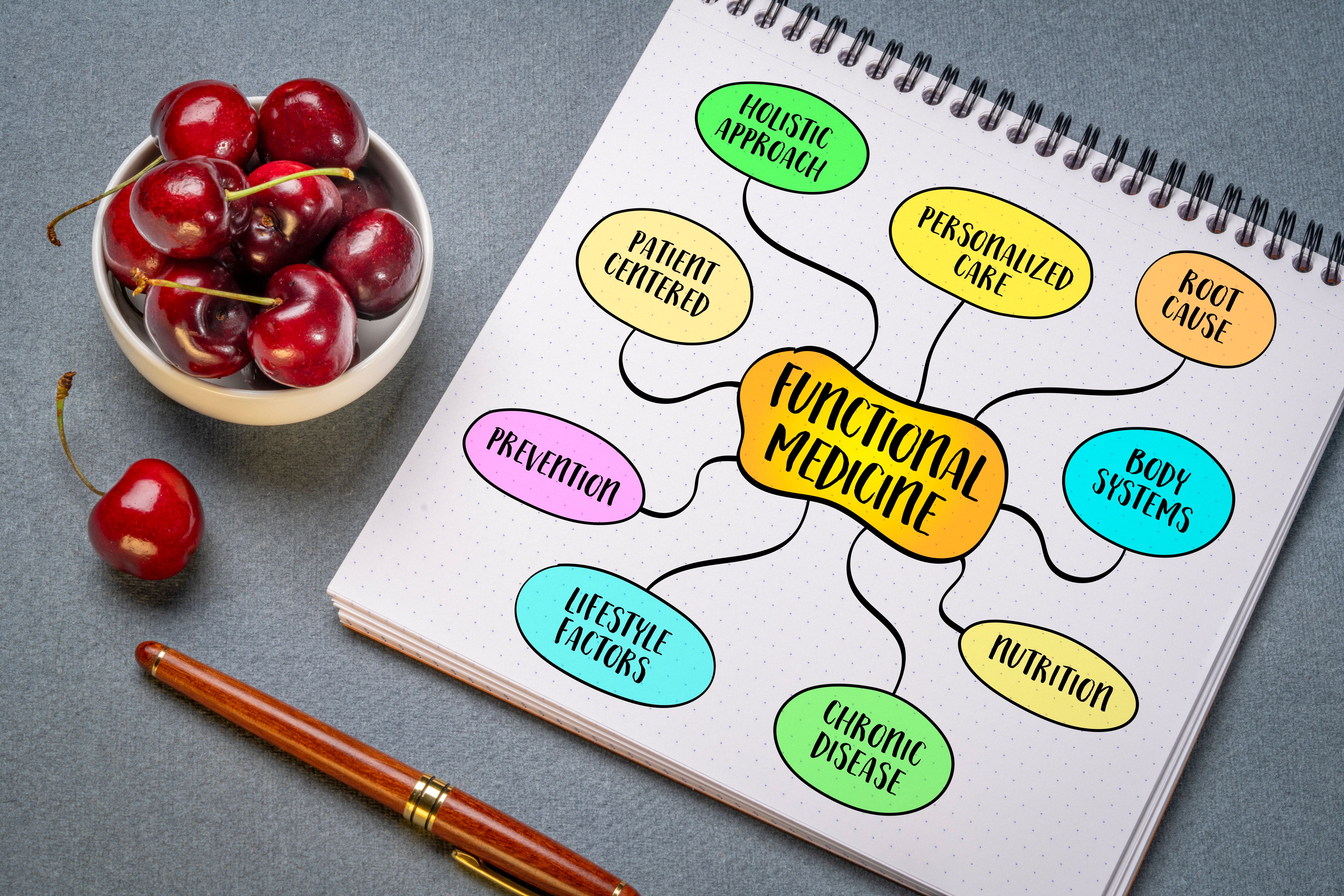
Integrative medicine is an innovative approach that blends the best of modern diagnostics with traditional therapies. It seeks to treat the whole person, addressing physical, mental, and emotional well-being. This holistic approach aims to provide comprehensive care, enhancing the effectiveness of treatments.
In integrative medicine, practitioners utilize advanced diagnostic tools to accurately identify health issues. These diagnostics are then complemented by traditional therapies, which have been used for centuries to support healing and wellness. This synergy offers patients a more personalized and effective treatment plan.
The Role of Modern Diagnostics
Modern diagnostics play a crucial role in integrative medicine by offering precise insights into a patient's health. These tools include blood tests, imaging technologies like MRI and CT scans, and genetic testing. Such diagnostics help in detecting diseases early, tailoring treatment plans, and monitoring progress.
The use of these advanced technologies ensures that practitioners have a detailed understanding of a patient's condition, allowing them to address the root cause of health issues rather than just the symptoms.
Traditional Therapies: A Time-Tested Approach
Traditional therapies encompass a wide range of practices, from acupuncture and herbal medicine to yoga and meditation. These therapies have been validated over centuries and offer significant benefits in managing chronic conditions, reducing stress, and promoting overall health.
Traditional therapies often focus on enhancing the body's natural healing processes. They work in harmony with the body's systems, providing a gentle yet effective approach to health care.

The Benefits of Combining Approaches
Combining modern diagnostics with traditional therapies offers numerous benefits:
- Comprehensive Care: Patients receive a more complete treatment plan that addresses multiple aspects of health.
- Personalized Treatment: By understanding the unique needs of each patient, practitioners can tailor therapies more effectively.
- Improved Outcomes: The integration of these methods often leads to better health outcomes and increased patient satisfaction.
Challenges and Considerations
While integrative medicine offers significant advantages, it also presents challenges. Ensuring that practitioners are well-trained in both modern and traditional methods is crucial. Additionally, patients must be informed about the potential interactions between different therapies.
Regulatory frameworks and insurance coverage can also impact the accessibility and affordability of integrative treatments. Addressing these challenges requires collaboration between healthcare providers, policymakers, and insurance companies.

The Future of Integrative Medicine
The future of integrative medicine is promising, as more research supports the efficacy of combining modern and traditional approaches. As awareness grows, more healthcare institutions are likely to adopt integrative practices, making them more accessible to a wider population.
Ultimately, integrative medicine represents a shift towards a more holistic and patient-centered approach to healthcare, one that respects the strengths of both modern science and traditional wisdom.